
I remember the first time I saw a local business struggle to get noticed on Google Maps. Despite having a great product, their ranking was embarrassingly low, and I realized how frustrating it can be when your potential customers can’t find you—especially in a competitive Texas market. That moment was my lightbulb, sparking the journey to master Google My Business (GMB) and Maps SEO strategies that actually work. If you’ve ever felt invisible online despite your best efforts, you’re not alone. Today, I want to share how targeted GMB optimization and local SEO tactics transformed my clients’ visibility and sales.
Why Local Search Dominance Matters Now More Than Ever
In Texas—a state bustling with small businesses and fierce competition—being visible on Google Maps can make or break your growth. According to Google, 76% of people who search for something nearby visit a business within a day, and many of those visits turn into loyal customers. Yet, many businesses overlook the power of expert GMB optimization, leaving their rankings to chance. I’ve seen firsthand how neglecting your local SEO can keep you buried under competitors who are actively optimizing their listings. That’s why understanding the nuances of Maps SEO is crucial for your success.
Is GMB Optimization Really Worth the Hype?
Early on, I made the mistake of thinking that simply creating a Google listing was enough. I believed that just being on the map would bring customers knocking. Spoiler: it doesn’t. Proper optimization involves a strategic approach—adding accurate categories, high-quality images, and engaging posts. I once overlooked the importance of consistent NAP (Name, Address, Phone Number) data, which caused my client’s listing to drop in local rankings. That mistake taught me how meticulous you need to be. For more insights, check out my guide on boosting Texas business growth with expert GMB and Maps SEO.
Claim and Verify Your Google My Business Listing
Start by claiming your business on Google My Business. Once claimed, go through the verification process—usually by mail, phone, or email. This step is crucial because unverified listings won’t rank well. I once worked with a local restaurant in Fort Worth that overlooked verification, and it caused their visibility to stagnate. After verifying, their ranking improved within weeks, demonstrating how vital this initial step is.
Optimize Your Business Information for Local SEO
Fill out every relevant field: business name, address, phone number (NAP), website, hours, and categories. Use consistent NAP information across your website and directories to avoid confusion. For example, I helped a plumbing company in Dallas that had inconsistent phone numbers listed online. Correcting this and ensuring consistency helped their local rankings soar. For detailed tips, check out this comprehensive guide.
Choose the Right Categories and Attributes
Select primary and secondary categories that accurately describe your services. Avoid generic categories—be specific. For instance, instead of just “Restaurant,” choose “Barbecue Restaurant” if applicable. Additionally, add attributes like “Wheelchair Accessible” or “Wi-Fi” to attract niche audiences. I once optimized a boutique in Austin that used broad categories; refining them brought in highly targeted local customers fast.
Use High-Quality Photos and Regular Posts
Upload clear, professional images that showcase your products, location, and team. Regularly posting updates, offers, or events keeps your listing active and engaging. I helped a gym in San Antonio increase engagement by posting weekly success stories and new equipment photos, which boosted their local visibility. Remember, visual content attracts more clicks and customer trust. For best practices, explore GMB photo optimization tips.
Encourage and Manage Customer Reviews
Actively ask satisfied customers for reviews. Respond promptly to all reviews—positive or negative—to show you care. I once advised a hair salon in Houston to implement a review request process after each appointment. Their reviews increased, and local rankings improved significantly. Reviews are social proof that influence new customers and improve local search rankings. Learn more about review management at this resource.
Leverage Local Keywords and Content
Incorporate local keywords naturally into your business description, services, and posts. Mention neighborhood names, landmarks, or local events. For example, a real estate agent in Austin optimized by including phrases like “homes near Zilker Park,” which led to higher local search visibility. Creating location-specific content, like blog posts or FAQs, signals relevance to local searches. For additional keyword strategies, review advanced local SEO tactics.
Monitor and Adjust Your Strategy Regularly
Use Google Insights and third-party tools to track your GMB performance. Adjust your keywords, photos, and posts based on what works best. I once managed a small bookstore that saw a spike in visits after experimenting with different keywords and images, highlighting the importance of ongoing optimization. Staying proactive ensures sustained growth and adaptation to changing trends. For a detailed analysis framework, see this SEO strategy guide.
While many local businesses focus on the obvious aspects of Google Maps optimization, such as claiming their listing and adding photos, there are nuanced pitfalls that even seasoned marketers often overlook. Let’s dig deeper into these misconceptions and reveal the advanced mistakes that can sabotage your local SEO efforts.
Why Do Most People Overlook Consistency and Its Impact on Rankings?
One of the most common myths is that updating your NAP (Name, Address, Phone Number) info once is enough. In reality, inconsistency across online directories, social profiles, and your website can confuse Google and dilute your local relevance. This seemingly minor oversight can significantly lower your rankings. I’ve seen many businesses in Texas suffer because they failed to maintain uniform NAP details, which is why I always emphasize regular audits with tools like local SEO audits.
Beware of Over-Optimizing Keywords and Categories
Another trap is stuffing keywords into your business description or categories, believing more is better. Google’s algorithms have evolved to prioritize user experience and relevance, penalizing over-optimization. Instead, focus on natural language that reflects your service area and target audience. For instance, instead of keyword stuffing, incorporate local landmarks or neighborhood names organically. This approach aligns with recent SEO research indicating that contextually relevant content performs better in local searches.
Make Yourself Visible: The Risks of Ignoring Engagement and Reviews
Many overlook that reviews and user engagement are dynamic signals influencing local rankings. Responding to reviews, especially negative ones, not only enhances customer trust but also signals activity to Google. Ignoring this feedback loop can cause your ranking to stagnate or decline. A common mistake is waiting too long to respond or neglecting review requests altogether. Implementing a consistent review acquisition process, like I detail in my comprehensive local SEO guide, can make all the difference.
Advanced Strategy Question: How Can You Use Location-Based Content to Outrank Competitors?
Beyond basic optimization, leveraging content that targets local search intent is crucial. Creating location-specific blog posts, FAQs, or landing pages signals to Google that your business is a relevant authority in your area. For example, a restaurant in Dallas could publish a guide to the best barbecue spots near the Dallas Arboretum, boosting relevance in local searches. Integrating local keywords naturally into your content strategy, as discussed in my SEO strategy article, can propel your rankings forward.
Don’t fall into these common traps. Instead, focus on the nuanced details—consistent data, natural keyword use, active engagement, and localized content—to truly dominate your local market. Have you ever fallen into this trap? Let me know in the comments.
Keeping your Google Maps optimization efforts effective over time requires the right tools and a disciplined approach. As local SEO evolves rapidly, staying ahead means leveraging technology that helps monitor, analyze, and refine your strategies consistently. In this article, I’ll share the specific tools I use personally and explain why they are essential for sustained success in local search rankings.
How do I maintain my Google Maps rankings over time?
First, regular monitoring is crucial. I rely heavily on BrightLocal for comprehensive local SEO audits. It provides detailed insights into your NAP consistency, reviews, and ranking fluctuations. I use BrightLocal because it consolidates data from multiple directories and search engines, giving me a clear picture of where adjustments are needed. Additionally, I set up Google Search Console alerts to track any drops in visibility or indexing issues, which can silently harm your rankings if left unchecked.
Next, I use SEMrush to track local keyword performance. Its Position Tracking tool allows me to see how my clients rank for targeted local keywords and identify opportunities for new content or optimization. This helps ensure that efforts are aligned with current search trends, especially as competitors adapt their strategies.
Another important tool is Google My Business Insights. It’s free, easy to access, and provides real-time data on how users find your listing, what actions they take, and where your visibility might be lacking. I review these insights weekly to adjust my content and engagement tactics accordingly.
For review management and customer engagement, I recommend Podium. It’s a platform I personally use to automate review requests post-visit. Since reviews heavily influence local rankings, maintaining a steady stream of positive feedback is vital. Podium also helps respond promptly to reviews, showing Google and potential customers that you care about service quality.
Looking ahead, I predict that AI-powered analytics will become more integrated into local SEO tools, offering deeper insights into customer intent and competitor strategies. Embracing these innovations now will give you an edge in maintaining your rankings long-term.
If you’re serious about keeping your Google Maps rankings strong, start by implementing a regular audit routine using BrightLocal and SEMrush. These tools help you catch issues early and adapt your approach proactively. Need help setting up a tailored local SEO plan? Contact me today for expert assistance that ensures your business stays visible and competitive in Texas’s crowded local markets.
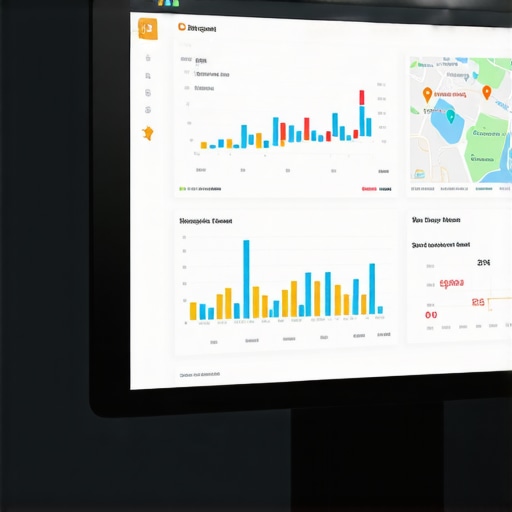
The Hardest Lesson I Learned About Google Maps Optimization
Early in my journey, I believed that simply claiming a Google My Business listing was enough. It’s a common misconception that just being on the map guarantees visibility. However, I quickly realized that without ongoing optimization—like accurate information, engaging posts, and consistent reviews—your ranking can stagnate or decline. The real lesson: local SEO is a continuous process, not a one-time setup.
3 Myths About Google Maps SEO That Held Me Back
One myth I encountered was that keyword stuffing in categories or descriptions would boost rankings. I learned that Google’s algorithms prioritize relevance and user experience, penalizing over-optimization. Another misconception was that reviews are optional; in reality, active review management can significantly improve your local visibility. Lastly, I thought high-quality photos were a bonus, but they are actually essential to attract clicks and build trust.
What Experts Won’t Tell You About Outranking Competitors
Many overlook the power of local content—creating blogs, FAQs, or guides tailored to your community can dramatically enhance your relevance in local searches. Additionally, leveraging tools like BrightLocal and SEMrush for ongoing monitoring provides insights that keep you ahead of the curve. The key is to combine strategic optimization with real engagement, consistently refining your approach based on data.
My Essential Toolkit for Google Maps Success
For my local SEO efforts, I rely on BrightLocal for audits and review tracking, SEMrush for keyword performance, and Google My Business Insights for real-time data. I trust these tools because they offer comprehensive, actionable information that helps me stay proactive. Combining these with my personal experience ensures I can adapt quickly and maintain top rankings.
Where to Go from Here
If you’re ready to elevate your Texas business’s local presence, start by evaluating your current GMB setup, then implement consistent updates, engagement, and content. Remember, local SEO is an ongoing journey. To dive deeper into advanced strategies, explore my guide on boosting your local search rankings. Your business’s visibility depends on it—don’t leave it to chance.
Your Turn to Try
Have you ever struggled with maintaining your Google Maps rankings or optimizing your GMB listing? Share your experiences or questions below, and let’s grow together in the Texas local market!

![Steal Local Traffic: 3 Texas Business Ranking Secrets [2026]](https://seoservicesfortworth.com/wp-content/uploads/2026/02/Steal-Local-Traffic-3-Texas-Business-Ranking-Secrets-2026.jpeg)

Reading this post really emphasizes how crucial consistent and strategic Google My Business optimization is for local success, especially in a competitive market like Texas. I’ve personally seen how neglecting details like NAP consistency or failing to actively manage reviews can cause businesses to fall behind their competitors, even with excellent products or services. One thing I found helpful was integrating location-specific keywords into my business descriptions and posts—this naturally boosted my local search visibility without risking over-optimization.
From my experience, ongoing monitoring with tools like BrightLocal and SEMrush makes a huge difference, ensuring we can quickly respond to ranking drops or new opportunities. The challenge I often face is balancing fresh content creation with daily operations, but I’ve learned that small, regular tweaks keep the rankings stable and improve engagement.
What are some effective ways you’ve found to encourage satisfied customers to leave reviews consistently? I’d love to hear different approaches to keeping feedback flowing, as I believe reviews are still one of the top signals for local SEO.