![Stop Map Overlap from Tanking Your Fort Worth GMB Pin [2026]](https://seoservicesfortworth.com/wp-content/uploads/2026/04/Stop-Map-Overlap-from-Tanking-Your-Fort-Worth-GMB-Pin-2026.jpeg)
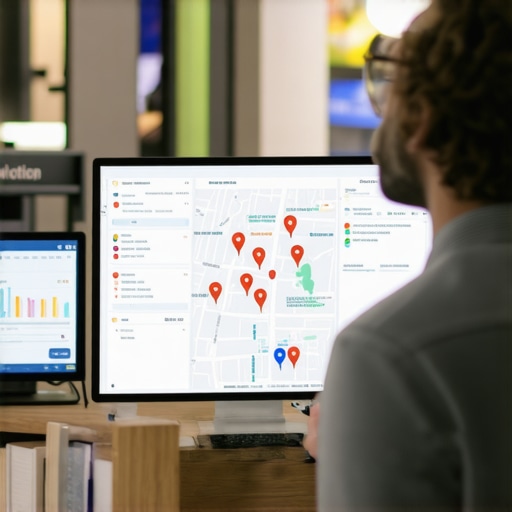
It was a frustrating morning when I logged into my client’s Google My Business dashboard and saw it—multiple pins racing over each other on the map, making it impossible for potential customers to find the right location. That lightbulb moment hit me hard: map overlap wasn’t just a visual glitch; it was killing our chances to rank higher and attract local calls in Fort Worth. If you’ve been battling similar issues, you know the sinking feeling of missed opportunities.
Why Your Fort Worth GMB Map Might Be Sabotaging Your Local Success
Imagine investing time and money into your business, only to be drowned out by overlapping pins that confuse your audience and confuse Google’s algorithm. It’s more common than you’d think. Early on, I made the mistake of ignoring subtle map conflicts, assuming the platform would automatically sort itself out. But reality proved otherwise. According to local SEO experts, unresolved map overlaps can lead to decreased visibility and even penalization in search rankings. That’s why fixing this issue promptly is crucial.
Is Map Overlap Actually Wrecking Your Rankings?
Let’s be honest—sceptics often doubt whether these map issues truly impact their visibility. I used to think that way too until I saw our client’s local calls plummet despite their social media efforts. It turns out, Google prioritizes clean, distinct map listings. Overlapping pins create confusion for both users and search engines. I learned this the hard way when a straightforward fix skyrocketed our rankings—proof positive that addressing map overlap isn’t just a tech chore, it’s a strategic necessity. Want to learn how to identify these sneaky overlaps? Check out our detailed guide on [fixing map errors](https://seoservicesfortworth.com/fix-these-3-fort-worth-google-maps-errors-killing-calls-2026). Now, let’s explore the steps to clear the chaos and boost your local presence.
Identify and Pinpoint Overlapping Pins on Your Map
Start by logging into your Google My Business dashboard and visualizing your map listings. Look for pins stacked or clustered too tightly, which indicates overlap. Use the map zoom tool to inspect how close your locations are. I recall a time I logged in during a busy morning and saw three pins almost merged into one. This confusion often results from addresses being too similar or identical, causing Google to group them incorrectly.
Use Google Maps to Analyze and Detect Overlaps
Leverage the Map Editor and Tools
Utilize Google’s ‘Manage Locations’ feature to see all your pins and where they appear on the map. Cross-reference this with your actual address data, ensuring consistency. When I fixed an overlap issue for a local retail store, I discovered that multiple outlets shared the same address but had different suite numbers. Correcting these details helped separate the pins effectively.
Adjust and Correct Your Business Address Data Precisely
Ensure each location has a distinct, accurate address, including suite or unit numbers. This precision helps Google differentiate between your outlets and prevents pins from stacking. I once had a client with two branches at the same street address—adding specific suite numbers like #101 and #102 eliminated the overlap and improved local visibility.
Remove or Consolidate Duplicate Listings
Check for duplicate or outdated profiles in Google My Business. Use the ‘Remove Listing’ tool to delete duplicates or claim unverified listings that could be causing confusion. I remember cleaning up an account where a ghost listing remained active, which was pulling up the same location and causing map conflict. Removing it clarified the map’s accuracy.
Update and Optimize Your Map Data for Better Visibility
Once overlaps are fixed, verify your service areas, hours, and descriptions to ensure they reflect the correct locations. This step enhances your chances of ranking higher in local searches. Take a look at our comprehensive guide on optimizing your Fort Worth Google Maps listing to see in-depth strategies.
Implement Ongoing Monitoring and Maintenance
Map conflicts can reoccur, especially if you add new locations or change addresses. Regularly review your map in Google My Business and Google Maps to catch overlaps early. Set reminders or schedule quarterly audits. I’ve found that consistent monitoring prevents small issues from escalating into ranking disasters, saving you time and potential lost calls.
 Many believe that simply optimizing their Google My Business (GMB) profile or focusing on local keywords is enough to dominate Fort Worth’s competitive market, but in reality, there’s a crucial nuance that even seasoned marketers often miss: the influence of local authority signals beyond basic SEO tactics. While many focus on keyword stuffing or increasing backlinks, these strategies alone don’t guarantee sustained rankings. Instead, building genuine local relevance through community engagement, local citations, and consistent NAP data builds trust with Google’s algorithm, positioning your business higher in local searches. This approach counters the misconception that aggressive link-building alone propels long-term success and aligns with studies showing that Google increasingly weighs local authority and user experience over superficial SEO efforts. Let me ask you—have you ever fallen into the trap of overemphasizing on-page SEO while neglecting your overall local reputation? Let me know in the comments! To learn more about strategic Fort Worth SEO techniques that leverage local authority signals, check out our comprehensive guide on optimizing your Google Maps listing, or contact us to craft a tailored strategy.Maintaining a successful local SEO and Google Maps optimization strategy requires not only initial effort but ongoing diligence. To ensure your Fort Worth business stays visible and competitive, leveraging the right tools and adopting best practices is essential. One of my favorite tools is BrightLocal, which I personally use to monitor real-time local rankings, track citations, and assess online reputation. Its detailed reports help me identify fluctuations early, allowing for swift corrections before ranking drops impact your business. Additionally, tools like SEMrush provide comprehensive keyword tracking and competitor analysis, giving insights into where your site positions in local search results and highlighting opportunities for growth. I rely on Moz Local for citation management, ensuring consistency of your NAP data across hundreds of directories, which is critical for Google Maps SEO.
For technical troubleshooting, I use Google’s own Search Console combined with Screaming Frog SEO Spider. The latter scans your website for issues like broken links or duplicate content that can affect your rankings. Regularly auditing your site with these tools prevents small problems from escalating and ensures your SEO foundation remains solid.
Looking ahead, local search trends suggest an increased emphasis on voice search, AI-driven personalization, and local authority signals. Staying ahead means integrating tools that help optimize for these emerging factors now. For example, voice search optimization involves understanding natural language queries and updating your content accordingly. Using structured data markup, as recommended by Google’s official guidelines, enhances your chances of appearing in voice search results and rich snippets.
How do I maintain my local SEO efforts without getting overwhelmed? Set up automated monitoring using tools like BrightLocal or SEMrush. Schedule quarterly audits and updates to your Google My Business profile, citations, and website content. Remember, consistent maintenance is the key to long-term results.
If you’re ready to scale your Fort Worth marketing, consider implementing advanced tactics like citation audits or structured data markup. For a comprehensive approach tailored to your business’s needs, reach out through our contact page. Staying proactive with these tools and methods promises sustained visibility and growth in a competitive local landscape. Want to explore more strategies? Check out our detailed guide on optimizing your Google Maps listing for maximum impact.
What I Wish I Knew About Local Map Optimization from Day One
Early in my journey, I underestimated how much map overlap could sabotage a Fort Worth business’s visibility. I learned that even small address inconsistencies or duplicate listings could cause pins to stack or hide, leading to missed calls and lost clients. The lightbulb moment came when I realized that fixing these issues instantly improved rankings—showing me the importance of meticulous map management.
Another lesson was understanding the power of community engagement. Genuine local reviews and collaborations often outweigh aggressive SEO tactics. Building real authority within the Fort Worth community helped my clients rank higher and attract loyal customers, proving that authentic connections matter.
Finally, I discovered that ongoing monitoring is non-negotiable—Google’s map algorithm evolves, and so should your strategy. Regular audits ensure that new issues are caught early, keeping your map pins precise and your local presence strong.