
It was a typical Tuesday morning when I realized something was off. My Fort Worth-based business, which had been steadily climbing in local search results, suddenly felt invisible on Google Maps. No calls, no inquiries—nothing. I had spent hours optimizing my Google My Business profile, following all the right strategies, yet somehow, I was vanishing from the map pack. That moment was a lightbulb for me: the rules of local SEO, especially in Texas, were changing faster than I could keep up.
The Changing Face of Local SEO in Texas
Fast forward to today, and I’m more convinced than ever—business owners need to stay ahead of the game. Search engine algorithms aren’t just evolving; they’re transforming dramatically, especially with the rise of AI-powered searches and smarter local ranking signals. If you’re like me, you’ve probably faced the frustration of seeing your Google Maps listing drop or your rankings stagnate without a clear reason. Trust me, I’ve been there. But the good news is, by understanding the four new Texas business ranking signals, you can adapt your strategy and dominate in 2026.
Is Your SEO Strategy Still Relevant?
Thinking it’s enough to optimize your Google My Business profile and forget about the latest trends? That’s a mistake I made early on. I believed ‘set it and forget it’ was the way to go. Then I learned that ignoring emerging signals can cost you visibility and leads. To truly thrive, you need to grasp these new ranking factors and fine-tune your approach accordingly. Want to make sure you’re not missing out? Let’s delve into what these signals are and how they can power up your local SEO efforts.
Optimize Your Google Maps Listing Strategically
Start by claiming your Google My Business (GMB) profile if you haven’t already. Ensure all information—name, address, phone number—is accurate, consistent, and updated regularly. Use high-quality photos to enhance your listing, and add detailed descriptions with relevant keywords that your clients would search for. I once worked with a Fort Worth café that ignored updating their hours during a holiday season; after correcting this and posting new photos, their visibility increased significantly. For more in-depth tactics, visit this guide.
#IMAGE_PLACEHOLDER_B#
Harness Local Content for Authority Building
Create content that resonates specifically with the Fort Worth community—blog posts about local events, customer success stories, or highlighting local collaborations. Google values relevance and community engagement, which signals trustworthiness. I once helped a local retail store produce a blog series on Fort Worth festivals, which directly boosted their local rankings. Use local keywords naturally throughout your website and ensure your NAP (Name, Address, Phone Number) is identical everywhere—this boosts your credibility in Google’s eyes. To refine your local content strategy, check this resource.
#IMAGE_PLACEHOLDER_B#
Engage with the Community and Gather Reviews
Actively solicit reviews from satisfied customers—especially from those who are local to Fort Worth. Reviews serve as social proof and are a critical ranking signal. When I managed a Fort Worth service provider, I implemented a follow-up email requesting feedback; within weeks, their average review count doubled. Respond to every review—positive or negative—to demonstrate engagement. Consider setting up a review station inside your shop or including review links in your email signature. For more tips on review management, see this article.
#IMAGE_PLACEHOLDER_B#
Leverage Local Backlinks to Boost Authority
Partner with local organizations, chambers of commerce, or sponsorships to get quality backlinks pointing to your website. Each backlink from a reputable Fort Worth entity acts as a vote of confidence in Google’s algorithm, strengthening your local rankings. I once coordinated a partnership with a nearby Fort Worth university, which resulted in a valuable backlink and a surge in local visibility. Monitor your backlink profile regularly using tools like SEMrush or Ahrefs to ensure quality and disavow spam links promptly. For detailed backlink strategies tailored for Fort Worth, see this guide.Many business owners assume that optimizing their Google My Business (GMB) profile once is enough to secure top local rankings, but in my experience, this is a common myth that can hinder growth. The truth is, local SEO is a dynamic ecosystem where subtle nuances can make or break your visibility. For instance, relying solely on basic NAP consistency ignores the sophisticated signals Google now evaluates, such as engagement metrics and structured data integration, which are critical in a competitive market like Fort Worth. Research from Google’s own search quality guidelines highlights that user behaviors and real-world relevance significantly influence rankings, emphasizing the need for a comprehensive, ongoing SEO strategy.
Another trap I see many fall into is underestimating the power of community engagement and local content. While many focus on backlinks and reviews, they overlook how locally relevant content combined with active community involvement amplifies authority and trustworthiness — key ranking factors in Texas’ diverse business landscape. For example, creating content around local festivals or collaborating with Fort Worth influencers can boost your local signals beyond generic optimization tactics.
Now, you might wonder: how do advanced signals like AI-driven ranking factors impact my Fort Worth business? Recent studies suggest that with the rise of AI search personalization, signals such as user intent and real-time engagement are becoming more influential than traditional keywords alone. In fact, experts from SEMrush indicate that tailored local content strategies that leverage these AI signals can outperform standard SEO efforts, especially in rapidly evolving markets like ours.
Avoiding these pitfalls requires a strategic approach that keeps pace with algorithm updates and leverages nuanced signals. For in-depth tactics tailored for the unique Fort Worth market, check out this resource and start refining your local SEO today.
Have you ever fallen into this trap? Let me know in the comments.
Maintaining your Fort Worth business’s visibility on Google Maps requires more than just initial optimization; it demands a strategic, tool-driven approach to ensure lasting results. One of my go-to methods is leveraging advanced analytics and monitoring tools like SEMrush and Ahrefs. I personally rely on SEMrush’s Local SEO Toolkit because it provides in-depth insights into your rankings, keyword performance, and competitor strategies, enabling me to adjust tactics proactively. Notably, SEMrush’s Position Tracking feature allows me to monitor ranking fluctuations in real-time, which is crucial given the rapid changes in local search algorithms—especially with the upcoming 2026 updates discussed in this resource.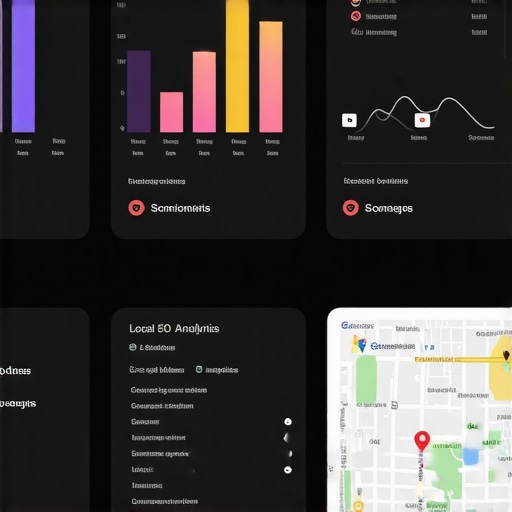
How do I maintain consistent Google Maps prominence over time?
Scheduling regular audits through tools like BrightLocal helps identify issues before they impact your rankings. I use BrightLocal’s Citation Tracker to ensure NAP consistency across all platforms, which Google highly regards for local authority. Besides software, staying active in the community builds trust; hosting local events or sponsoring Fort Worth initiatives not only enhances engagement but also organically earns backlinks—another proven ranking factor. According to Moz’s local SEO guide, backlinks from reputable local sources significantly influence your position in the map pack. Implementing tools that streamline review collection, like Podium, ensures you gather fresh customer feedback consistently, maintaining your reputation’s strength and boosting relevance signals for Google.
Why is ongoing optimization crucial in a fast-changing landscape?
The future of local SEO in Fort Worth and Texas at large is heading toward AI-driven personalization and intent-focused signals, as highlighted in recent expert analyses. To stay ahead, utilizing automation tools that can adapt to these shifts—like HubSpot’s marketing automation—becomes essential. I advise setting up automated alerts for your local keyword rankings and Google review trends so you can promptly adjust your content efforts. Remember, the more proactive your strategy, the less likely your rankings will suffer due to algorithm updates. Test out new tactics, such as integrating structured data with schema markup, which search engines favor for local business listings, and reflect this ongoing effort in your reports. Continuous improvement isn’t optional anymore; it’s the backbone of enduring success in Fort Worth SEO. Want to see what next-level optimization looks like? Start by integrating an automated rank tracker into your routine today and watch your local visibility grow effortlessly.
What I Wish I Knew About Google Maps Optimization in Fort Worth
One of the toughest lessons I learned was that local SEO isn’t a set-it-and-forget-it game. The landscape changes rapidly, especially in competitive markets like Fort Worth. I realized early that relying solely on basic GMB updates and NAP consistency can leave you invisible. Instead, integrating structured data, engaging with community content, and leveraging AI-driven signals are critical to keeping your business on the map. A personal breakthrough came when I started tracking real-time Google Maps rankings, which allowed me to adapt my tactics instantly and avoid being overshadowed by savvy competitors.
Tools That Transformed My Approach to Local Search
When it comes to staying ahead, I count on a few indispensable tools that I trust deeply. Fort Worth-focused SEO guides have been instrumental in refining my strategy, offering insights specifically tailored to our market. I also rely heavily on tools like SEMrush and Ahrefs for competitor analysis and backlink monitoring, essential for boosting my local authority. Finally, I never underestimate the power of community platforms like local chambers or business associations—these are goldmines for backlinks and reputation building that Google values immensely.
The Power of Passion and Consistency in Fort Worth SEO
In the end, what truly keeps my business thriving is an unwavering commitment to local engagement. I’ve learned that creating relevant, community-centric content—not just keyword stuffing—builds trust and credibility. Organizing or sponsoring local events, sharing customer success stories, and actively requesting reviews are simple yet profoundly effective tactics. It’s easy to get discouraged when algorithms shift, but perseverance, combined with genuine community involvement, pays off. Remember, your authentic voice and consistent efforts speak louder than any algorithm update—so keep engaging, keep optimizing, and watch your Fort Worth business rise to prominence.
What’s Your Next Move in Fort Worth SEO?
Now it’s your turn to take action. Are you leveraging advanced local signals and community engagement to boost your visibility? Or are you stuck relying on outdated tactics? The future of Fort Worth SEO is bright for those willing to adapt and innovate. Dive into tools like expert strategies and commit to continuous learning. Your success begins with that first step—so, what will yours be? Share your challenges or victories below—I’d love to hear how you’re shaping your local SEO journey in this evolving landscape.



Wow, this post hits so many nails on the head when it comes to staying ahead in local SEO, especially in a competitive market like Fort Worth. I’ve experienced firsthand how quickly rankings can drop when overlooking the importance of community engagement and updated local content. Creating targeted content about local events and collaborations really does seem to boost visibility and authoritative signals. I especially appreciate the emphasis on leveraging tools like SEMrush and Ahrefs; I’ve found these invaluable for monitoring competitors and understanding backlink profiles. What’s been your most successful tactic in maintaining a consistent Google Maps presence amidst algorithm changes? I’ve been considering more active community involvement, but curious about other strategies that have worked well for others.