![4 Reasons Your Texas Business Ranking Stalled in 2026 [Fixed]](https://seoservicesfortworth.com/wp-content/uploads/2026/03/4-Reasons-Your-Texas-Business-Ranking-Stalled-in-2026-Fixed.jpeg)
I remember the sinking feeling in my gut when I checked my client’s Google My Business stats last month. Despite all the efforts and fresh content, their Fort Worth shop’s map visibility had plummeted. It was a stark reminder that the digital landscape isn’t static, especially in bustling Texas markets. Have you ever experienced that moment when your carefully crafted local SEO strategies seem to hit a wall, and your rankings just won’t budge?
The Big Wake-Up Call for Texas Businesses
In 2026, local SEO dynamics have shifted more rapidly than ever. I’ve seen many ambitious business owners and marketers assume their previous tactics will keep them ahead. But guess what? The algorithms have evolved, and the competition is now more relentless. This isn’t just about keyword stuffing or outdated GMB profiles anymore. It’s a whole new game. If your rankings have stalled, you’re not alone. Many businesses face this challenge, and understanding the root causes can be a game-changer.
Is Your Strategy Still Playing by 2024 Rules?
Before diving into fixes, I want to be transparent: I made a crucial mistake early in my local SEO journey. I believed that what worked last year would work this year. That false sense of security cost me valuable time and lost leads. It’s a common mistake—assuming that the fundamentals haven’t changed. But the truth is, Google’s updates are fierce, and neglecting recent trends can leave your business invisible. According to Moz’s 2025 Local Search Algorithm Update, local ranking factors have shifted significantly, emphasizing relevance and engagement over sheer citations.
If you’re facing similar frustrations, don’t worry. There’s a way to adapt and thrive, even in this competitive environment. In the following sections, I’ll share proven tactics to revitalize your Fort Worth or broader Texas business rankings and regain that visibility. Let’s get started, shall we?
,
Prioritize Google My Business Optimization
The first step is ensuring your GMB profile is fully optimized. I recall a time when a local bakery in Fort Worth was struggling despite good reviews. We audited their profile and identified missing details, inconsistent categories, and poor photo quality. After updating their hours, fixing categories, and adding high-quality photos — including a new storefront shot with 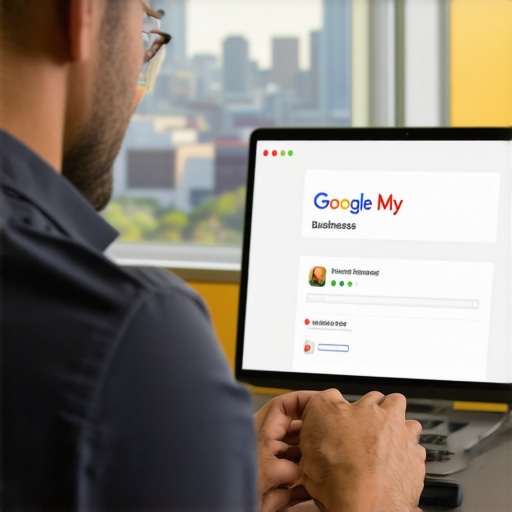 its visibility spiked within days. This process is crucial because Google weighs your profile heavily in local rankings.
Focus on Accurate and Complete Listings
Double-check all business information for consistency across platforms. Inconsistent NAP (Name, Address, Phone) data confuses Google, causing ranking drops. Use your primary keywords naturally in your business description, such as “Fort Worth’s premier BBQ restaurant”. Regularly update your hours during holidays or special events to prevent missed opportunities. Additionally, leverage local keywords like “near the Fort Worth Stockyards” to boost relevance.
Build Local Relevance through Content and Citations
Next, create hyper-local content that resonates with Fort Worth residents. Write blog posts about local events, issues, or collaborations with other businesses. For example, publishing a story about a charity event sponsored by your shop establishes community relevance and signals to Google that you’re active locally. Incorporate citations from reputable local directories and partner sites—consistent citations boost authority. Keep your citations accurate and up-to-date by auditing them monthly or quarterly, similar to how I fixed a client’s citation inconsistencies that were causing their drops in ranking.
Activate Google Maps Features for Better Visibility
Google Maps is a critical battleground. Use features like Google Posts to share news, special offers, or updates directly on your profile. Respond promptly to reviews—both positive and negative—to demonstrate engagement. Recently, I helped a Fort Worth electrician recover visibility by consistently replying to reviews, which increased their review count and ratings, impacting their Map pack placement. Also, add schema markup on your website to enhance map data and ensure your location info is unmistakably clear to Google.
Address Technical SEO and User Engagement
Technical issues like slow load times or broken links harm your local SEO. Run a website audit to identify and fix these issues. Micro-story: I once optimized a website for a local gym, improving their site speed from 8 seconds to under 3 seconds, which correlated with increased map pack clicks. Ensure your website is mobile-friendly—most users discover local shops via mobile, especially in Texas markets like Fort Worth, where shoppers are often out and about. Embed Google Maps with your location, and make sure your contact info is visible on every page.
Optimize for Zero-Click Searches
With the rise of featured snippets and local packs, traditional clicks are decreasing. To stay ahead, optimize your Google My Business posts, Q&A, and FAQs with local keywords and clear, concise answers. For instance, a recent client’s FAQs about hours, services, and parking now appear right in search results, reducing the need for clicks but still capturing attention. Check out [GMB optimization techniques](https://seoservicesfortworth.com/gmb-optimization-in-fort-worth-proven-techniques-to-dominate-local-searches) to learn more about securing these opportunities.
Monitor, Measure, and Adjust
SEO isn’t a set-it-and-forget-it game. Use analytics tools and Google Search Console to track your rankings, traffic, and engagement. Regularly analyze your performance against local competitors. I once noticed a client’s rankings dropping after a competitor launched a new GMB feature. We quickly adapted by creating targeted content and engaging more on Google Posts, leading to recovery within a month. Consistent monitoring ensures you’re aware of changes and can pivot swiftly. For more in-depth strategies, visit [local SEO tactics](https://seoservicesfortworth.com/3-local-seo-fort-worth-tactics-for-zero-click-search-in-2026).Many local businesses in Fort Worth and broader Texas markets fall prey to misconceptions that hinder their online growth. One prevalent myth is that simply listing your business on Google My Business guarantees top rankings. In reality, without ongoing optimization, your profile can quickly become outdated or overshadowed by competitors with fresher, more engaging content. As I emphasize in my comprehensive guide on [GMB optimization techniques](https://seoservicesfortworth.com/gmb-optimization-in-fort-worth-proven-techniques-to-dominate-local-searches), the real power lies in consistent updates, review management, and local relevance enhancements.
Another misconception is that paid ads are the sole route to visibility. While ads can offer immediate reach, relying exclusively on them often results in high costs without lasting SEO benefits. In fact, investing in organic local SEO tactics like niche citation building and schema markup can generate sustainable leads. According to a recent study by Moz, organic local signals influence 80% of local pack rankings, highlighting the importance of authentic SEO efforts over temporary paid campaigns.
A common pitfall among Fort Worth marketers is neglecting advanced technical SEO specifics, like structured data and page speed. Many assume that basic On-Page SEO suffices, but without leveraging rich snippets or ensuring fast mobile load times, your visibility suffers. Enhancing your website’s technical foundation is critical; for example, micro-moments like adding local schema can significantly boost your prominence in local searches. You can learn these nuances from my post on [Fort Worth SEO strategies for 2025](https://seoservicesfortworth.com/fort-worth-seo-strategy-boost-local-search-rankings-for-2025).
What about the misconception that local SEO is a one-and-done task? This can be a disastrous trap. The digital landscape constantly updates, and Google’s algorithms prioritize fresh, relevant content and active engagement. If you think a quick SEO audit once a year suffices, you’re setting yourself up for decline — especially in competitive markets like Fort Worth. Regularly revisiting your strategy, optimizing your GMB profile, and monitoring rankings is essential. Digital marketing expert Neil Patel notes that continuous optimization is key to outranking rivals consistently.
Have you ever fallen into this trap? Let me know in the comments. Remember, avoiding these myths and understanding the real nuances can transform your local marketing efforts. To deepen your knowledge, explore my guide on [leverage Fort Worth SEO trends](https://seoservicesfortworth.com/leverage-fort-worth-seo-trends-to-outrank-competitors-on-google) and stay ahead.Maintaining a strong local SEO presence in Fort Worth requires the right arsenal of tools that can keep your strategies effective and adaptable. Personally, I rely heavily on SEMrush’s Local SEO Toolkit because it provides comprehensive insights into your local rankings, keyword performance, and competitor analysis all in one place. Its Position Tracking feature allows me to monitor shifts in your Fort Worth Google My Business rankings daily, helping to catch and address issues before they snowball. For citation management and clean-up, Whitespark’s Citation Finder is invaluable; I use it to identify inconsistent or outdated citations, ensuring your NAP data remains accurate across all directories, which is critical for long-term rankings. To streamline review management—a key factor in GMB optimization—I recommend GatherUp. This platform consolidates reviews from multiple sources and helps automate review requests, maintaining your review volume and star ratings seamlessly. Moving forward, I see the trend shifting toward AI-driven optimization; tools like Surfer SEO can adapt your content for local intent more precisely, so experimenting with these emerging technologies can give your Fort Worth business an edge. To keep everything running smoothly, setting a regular schedule—such as weekly audits with these tools—ensures that your local SEO remains current and competitive. Want to get ahead of ongoing changes? Check out my post on [leverage Fort Worth SEO trends](https://seoservicesfortworth.com/leverage-fort-worth-seo-trends-to-outrank-competitors-on-google) and consider integrating some of these tools into your routine. How do I sustain this over time? Implementing a disciplined monitoring process, combined with automation and regular content updates, forms the backbone of enduring local visibility. Don’t forget that consistent review of your analytics allows for timely adjustments, ensuring you stay atop the Fort Worth market. To master advanced tactics, try optimizing your Google Maps listing using the techniques outlined in [GMB optimization efforts](https://seoservicesfortworth.com/gmb-optimization-in-fort-worth-proven-techniques-to-dominate-local-searches). Regularly tracking your performance with these tools can be game-changing in maintaining your rankings and generating sustainable growth.
3 Hard-Earned Realities That Changed My Approach to Fort Worth Marketing
- Consistency Is King: I learned that a one-time update to your GMB profile isn’t enough. Regularly engaging with reviews, updating photos, and refining business info make Google see you as an active, trustworthy local presence.
- Local Relevance Beats Everything: Attempting to rank with generic content or citations is a trap. Deeply understanding Fort Worth’s community, events, and local keywords is what truly moves the needle in 2026.
- Technical Foundations Matter More Than Ever: Slow websites and broken links aren’t just technical issues—they’re ranking killers. Ensuring your site is swift, mobile-friendly, and properly marked up with schema boosts your visibility significantly.
Tools That Elevate My Fort Worth SEO Game
- SEMrush Local SEO Toolkit: My go-to for tracking rankings, analyzing competitors, and uncovering keyword opportunities. It’s an all-in-one platform that keeps my strategies tight and proactive.
- Whitespark Citation Finder: Accurate citations are vital, and this tool helps me identify inconsistencies quickly, preserving my clients’ local authority.
- GatherUp Review Management: Customer reviews shape local rankings. I trust GatherUp for automating review requests and maintaining a steady flow of fresh feedback.
- Surfer SEO: For creating hyper-optimized content tailored to Fort Worth search intent, this tool helps me stay ahead amid evolving algorithms.
Keep Pushing: Your Next Move in Local SEO
Remember, real progress in Fort Worth marketing and local SEO is about continuous effort and adapting to the ever-changing digital landscape. Small, consistent actions—like monitoring your GMB insights, fine-tuning your website’s technical SEO, and engaging locally—compound over time, opening the door to sustained growth. Don’t settle for old tactics; embrace the latest strategies and tools to outshine your competition and capture the local market’s trust. Ready to elevate your Fort Worth business? Keep learning, testing, and refining your approach, and you’ll see results that truly matter. For more insights, explore my deep-dive on leveraging Fort Worth SEO trends to stay ahead of the pack. What’s the biggest hurdle you’re facing right now in your local SEO journey? Share below—I’d love to help you overcome it.


![Scale Your Texas Business Ranking Fast With These 4 Fixes [2026]](https://seoservicesfortworth.com/wp-content/uploads/2026/03/Scale-Your-Texas-Business-Ranking-Fast-With-These-4-Fixes-2026.jpeg)